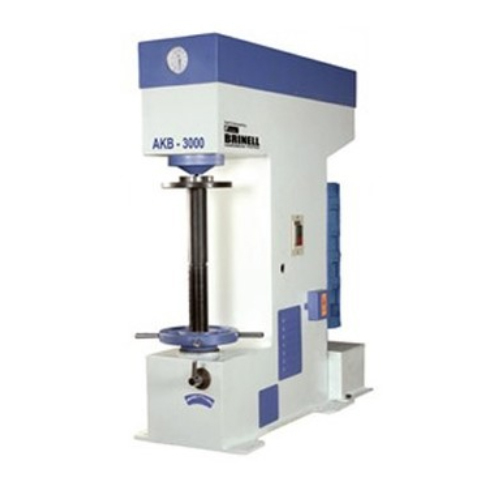
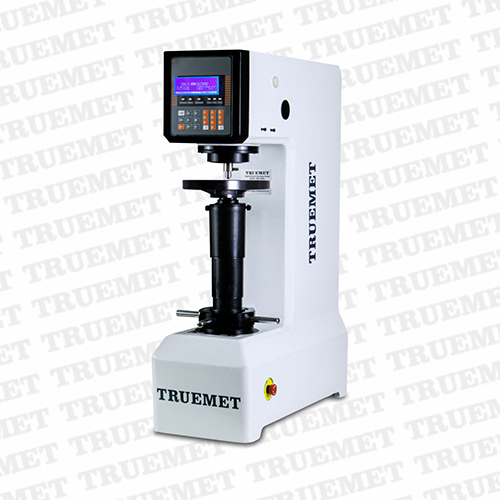
About Load Cell Based Touch Screen Digital Brinell Hardness Tester
FEATURES
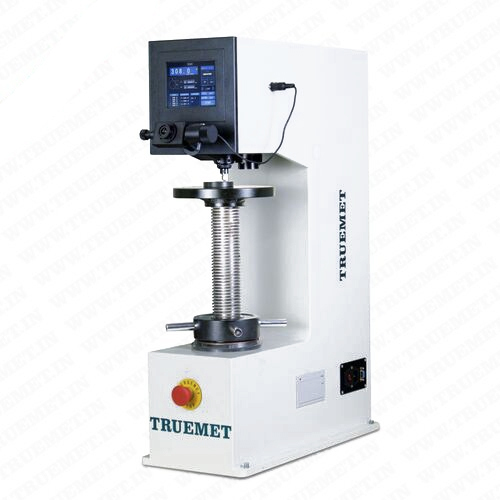
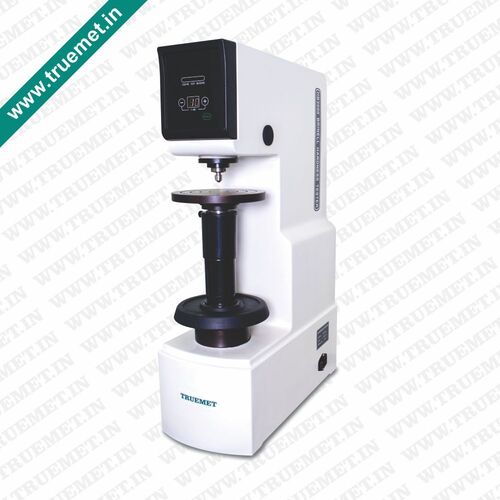
Load Cell Based Touch Screen Digital Brinell Hardness Tester.
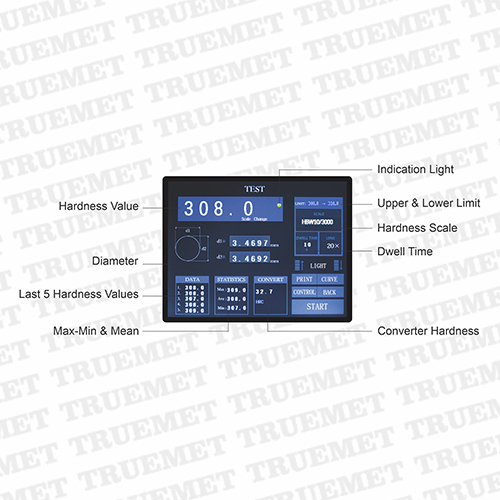
The hardness value can be displayed directly and no need to enter the length of the diagonal.
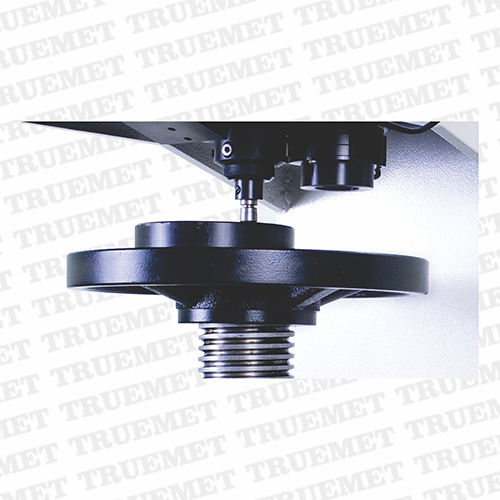
Automatic switching of indenter and objective lenses.
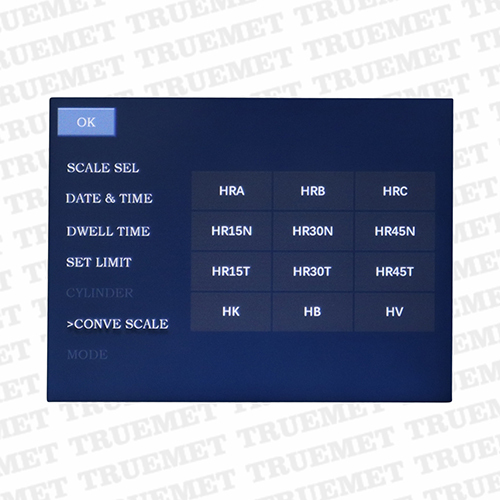
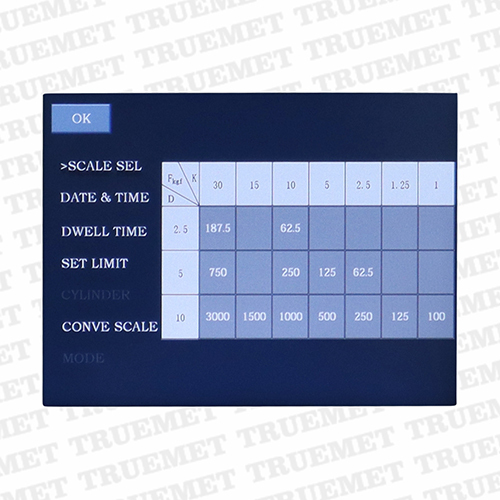
Load/Scale selection through touch panel.
Wide test force from 62.5, 100, 125, 187.5, 250, 500, 750, 1000, 1500 & 3000 kgf.
Automatic testing (Loading, Dwell, Unloading), no need to apply initial test force.
User can measure the diameter of impression by 10X Digital Eyepiece.
Advanced Touch Screen ControlThis tester features a 7-inch TFT touch screen for easy operation and navigation. The instantaneous response to touch input streamlines the testing process, allowing users to select test parameters, view results, and manage data efficiently. Its user-friendly interface supports multiple languages for convenient accessibility.
Precision Optical MeasurementIntegrated high-resolution digital camera technology ensures accurate and repeatable optical measurements of the indentation. Coupled with load cell-based force application and selectable dwell times, the tester delivers reliable Brinell hardness values for a wide range of metals.
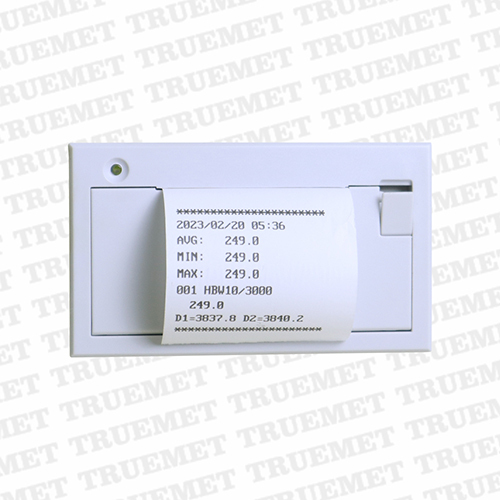
Efficient Data ManagementTest results can be saved securely within the instruments memory, supporting up to 1000 data records and easy export via USB or Ethernet interfaces. The Windows-based software allows comprehensive data analysis, report generation, and connectivity, promoting streamlined workflow in industrial or lab environments.
FAQs of Load Cell Based Touch Screen Digital Brinell Hardness Tester:
Q: How does the load cell-based automatic force application work in this Brinell Hardness Tester?
A: The tester uses a precision load cell to automatically apply test forces from 187.5 to 3000 kgf, ensuring uniform and repeatable indentation. The process eliminates manual adjustments, enhancing accuracy and reducing operator dependency.
Q: What is the procedure for conducting a test with this equipment?
A: Users mount a single specimen (up to 215 mm wide) on the bench top machine, select parameters (force, indenter, dwell time) via the touch screen, and initiate the test. The load cell applies the chosen force, the camera captures indentation images, and data is stored for analysis.
Q: When should I consider using this Brinell Hardness Tester?
A: This tester is ideal for laboratories and industrial environments requiring high-accuracy Brinell hardness measurements of metals across the 8650 HBW range, especially where data management, automation, and reliable reporting are critical.
Q: Where can I export and analyze test data from the instrument?
A: Test data can be exported via USB or Ethernet for direct transfer to Windows-based data analysis software, allowing comprehensive reporting and record maintenance. It supports secure connectivity for seamless integration into laboratory or industrial data systems.
Q: What are the benefits of camera integration in this hardness tester?
A: The high-resolution digital camera provides precise optical measurement of the Brinell indentation, improving measurement accuracy and repeatability. It simplifies result documentation and enables advanced analysis through imaging software.
Q: How user-friendly is the interface for various operators?
A: With a multilingual touch screen, automatic load application, and intuitive menu navigation, users of different languages and skill levels can operate the tester efficiently. Instantaneous touch response further improves workflow and ease-of-use.
Q: What types of hardness tests and specimen sizes are supported?
A: The tester performs Brinell hardness tests on metal specimens up to 215 mm wide and 240 mm maximum height, supporting 2.5 mm, 5 mm, and 10 mm ball indenters and providing results in the 8650 HBW range.

 Send Inquiry


 Send Inquiry
 Send Inquiry